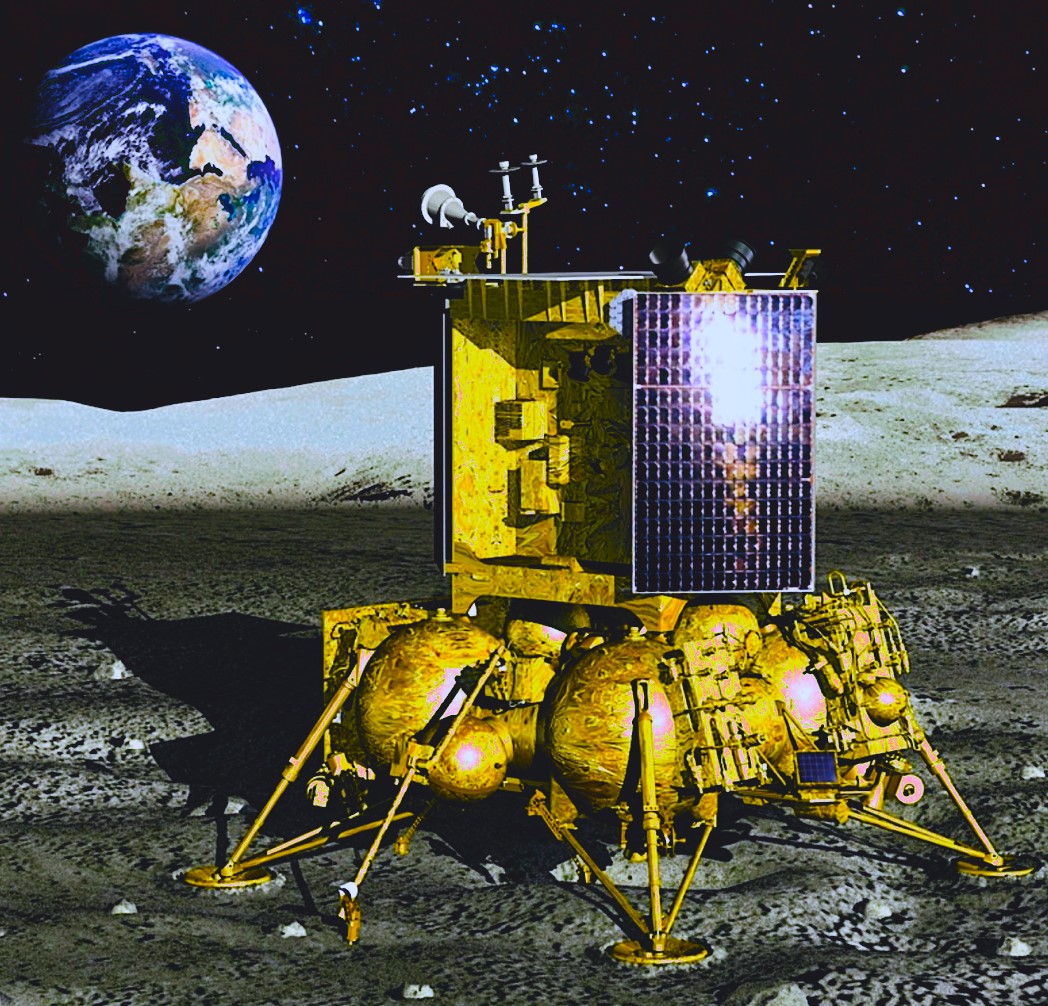
Introduction: Space exploration has always been a fascinating endeavor, promising humanity a glimpse into the mysteries of the cosmos. One such mission that captured both the imagination and the attention of the world was Russia’s Luna-2 mission. This ambitious lunar exploration project, aimed at being the first spacecraft to reach the Moon, ended in failure despite substantial investments and years of dedicated work. In this blog, we delve into the reasons behind the failure of the Luna-2 mission and the valuable lessons it offers for future space exploration endeavors.
The Luna-2 Mission: Luna-2, also known as Lunik-2, was a Soviet space probe launched on September 12, 1959, as part of the Luna program. The mission’s primary objective was to achieve a soft landing on the Moon’s surface and provide data about the lunar environment. Despite the significant financial investments and extensive development efforts, the mission was unable to accomplish its goal.
Reasons for Failure:
- Technological Limitations: The 1950s were a challenging time for space exploration due to the limited technological advancements available. The Luna-2 mission faced numerous technical hurdles, including communication difficulties, accurate trajectory calculations, and complex landing mechanisms. The lack of advanced computers and sophisticated guidance systems hindered the probe’s ability to accurately navigate and execute a soft landing.
- Limited Resources: The Luna-2 mission was a pioneer in lunar exploration, and as such, it had to rely on relatively untested technologies. With limited resources and a lack of prior experience in landing on extraterrestrial bodies, the mission faced a higher likelihood of failure. The constraints of the time made it difficult to fully account for the challenges that would arise during the mission’s execution.
- Rapid Development Pace: The space race between the United States and the Soviet Union was marked by intense competition and a desire to achieve milestones quickly. This urgency to be the first to achieve significant milestones may have led to a rushed development pace for projects like Luna-2. Rapid development can increase the chances of oversight, errors, and inadequate testing, ultimately jeopardizing the mission’s success.
- Lack of Robust Testing: In the pursuit of achieving a historic feat, the Luna-2 mission may not have undergone the rigorous testing necessary to identify and address potential issues. Thorough testing is crucial to validate spacecraft systems, ensure successful communication, and validate mission objectives. The lack of comprehensive testing likely contributed to the mission’s failure.
- Complex Nature of Lunar Landing: Landing a spacecraft on the Moon, even today, remains a challenging task due to the Moon’s lack of atmosphere, its gravitational pull, and the need for precise calculations. During the 1950s, understanding these complexities was limited, and the available data was not as comprehensive as it is today. The intricate nature of lunar landing significantly increased the risk of mission failure.
Lessons Learned:
- Patience and Thorough Testing: The failure of the Luna-2 mission emphasizes the importance of patience and comprehensive testing. Rushing through development can lead to oversights that compromise mission success. Future space exploration projects should prioritize thorough testing to identify and address potential issues early in the development process.
- Incremental Progress: Space exploration is a step-by-step process that demands incremental progress. Instead of aiming for groundbreaking achievements in a single leap, missions should build on previous successes and learn from failures. This approach minimizes risks and enhances the chances of achieving long-term goals.
- Collaboration and Information Sharing: The space community has evolved significantly since the days of the Luna-2 mission. Today, international collaboration and the sharing of information have become fundamental to successful space exploration. Drawing on the expertise of various organizations and pooling resources can lead to better outcomes.
Conclusion: While the Luna-2 mission may have ended in failure, it served as a valuable learning experience for the space exploration community. The challenges faced by the mission underscore the complexities of space travel and the importance of careful planning, testing, and collaboration. As humanity continues to push the boundaries of exploration, the lessons learned from Luna-2 will undoubtedly contribute to future successes in uncovering the mysteries of our universe.